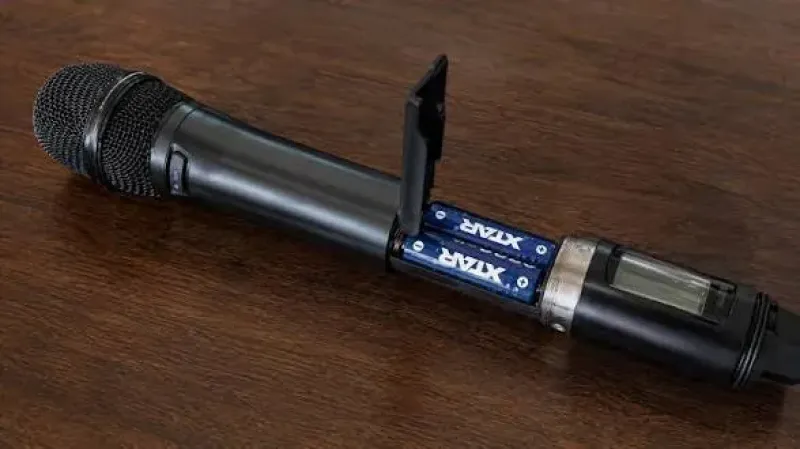
The short answer: for AA and AAA devices at home, rechargeable 1.5V lithium cells are the practical buy, and XTAR makes them in two styles. One set charges on a four-slot charger, the other has a USB-C port in each battery. This guide is for anyone tired of buying disposable cells for remotes, clocks, mice and toys, and it will help you decide which style suits your house or office in Kenya.



Why a steady 1.5V matters more than a big mAh number
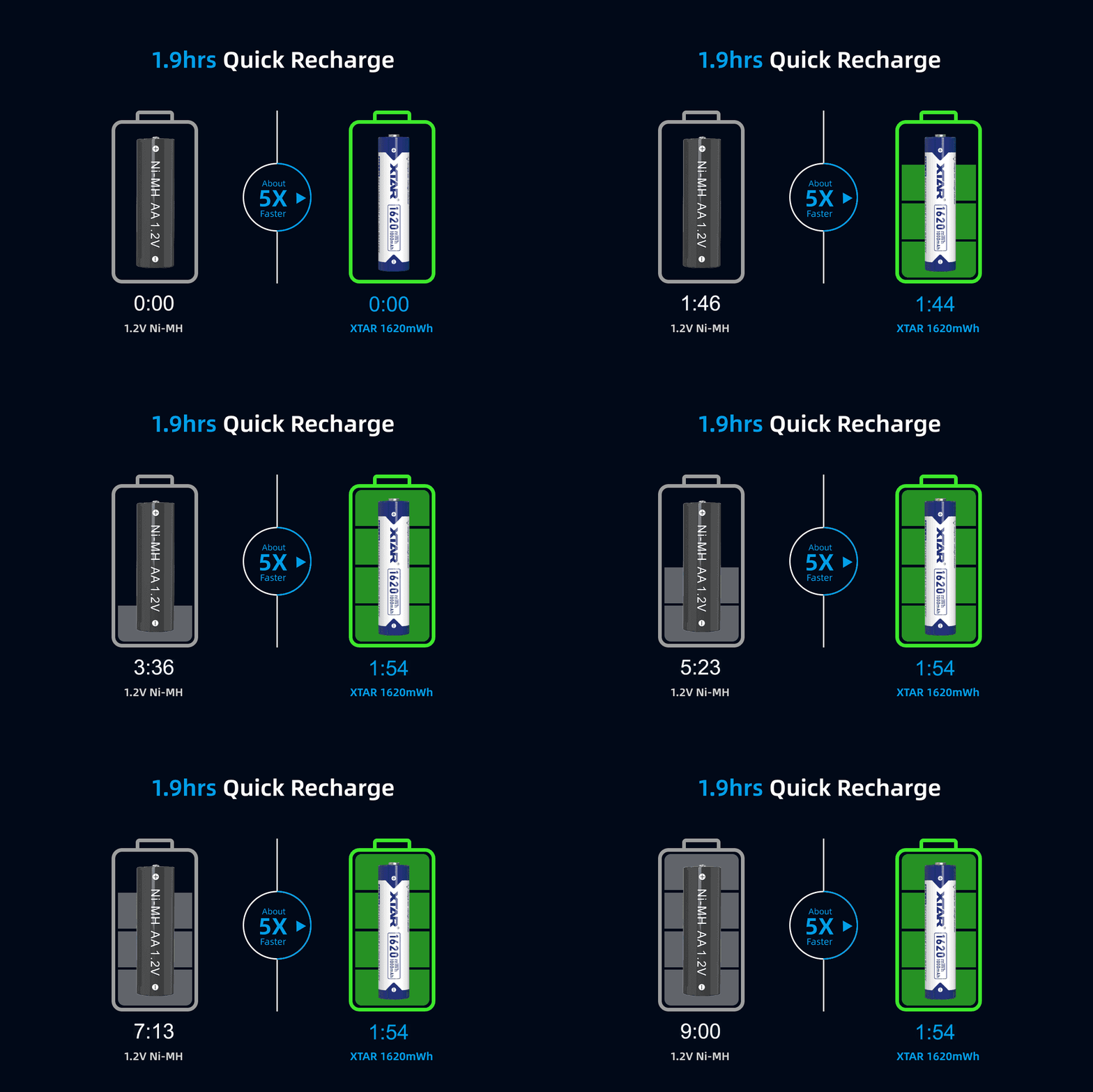
Most rechargeable AA cells drop below 1.5V as they run down, so a device may act up long before the cell is empty. Constant-voltage lithium cells hold their output instead.
That is why wireless microphones cutting out and wall clocks running fast are the usual complaints. The device is not broken; it is being fed a voltage that keeps sagging.
Capacity still matters, but it decides how long you go between charges, not how well the device behaves on the last stretch. Read the mAh figure next to the model, then look at how you will recharge the set.
The charger set: 2500mAh AA cells with a separate dock
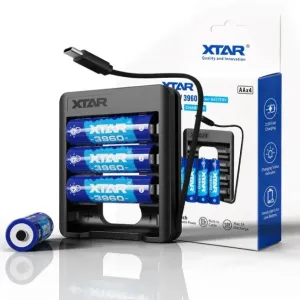
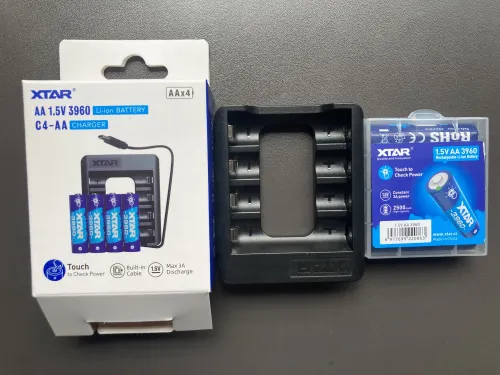
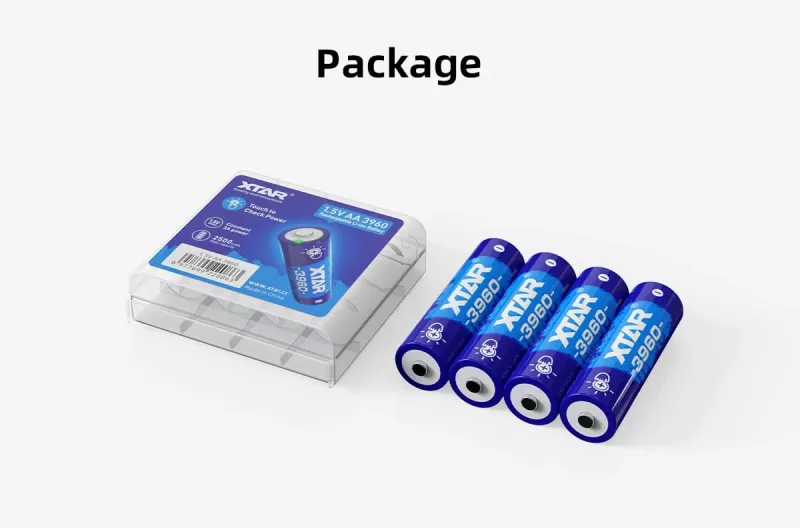
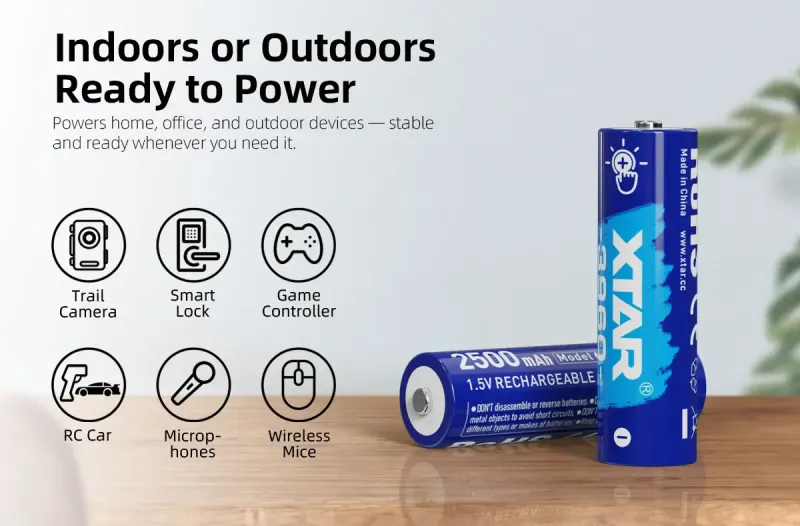
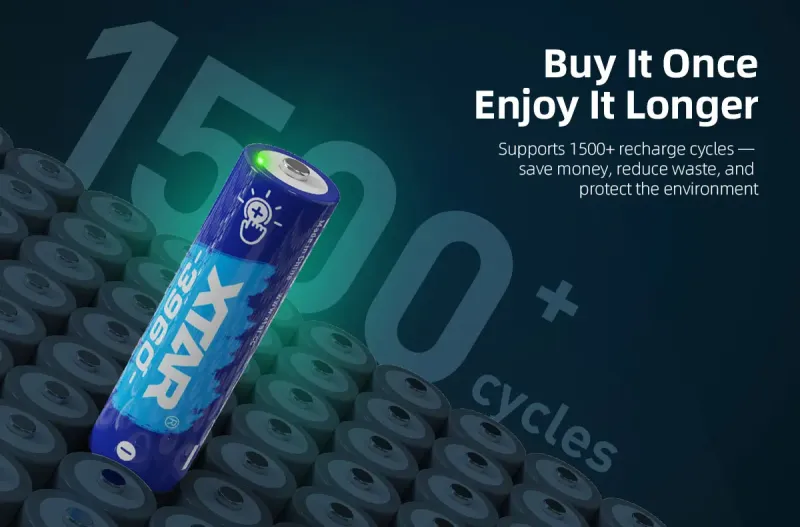
The XTAR AA 3960 pack gives you four 2500mAh AA cells at a constant 1.5V, rated for 1500 cycles. Each cell has a touch-activated LED that shows its charge level when you press it.
This is the pack to pick if you are happy to keep one charger in a drawer and rotate all four cells through it. It is common in church sound systems, wireless mice and keyboards, wall clocks and TV remotes.
One honest limit: these cells charge on the XTAR C4-AA charger, so budget for a charger as part of the setup, not just the batteries.


The USB-C set: 2450mAh AA cells that charge themselves
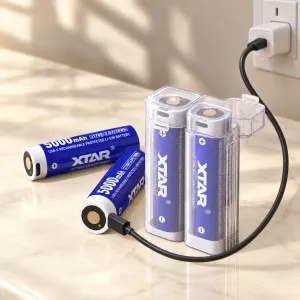
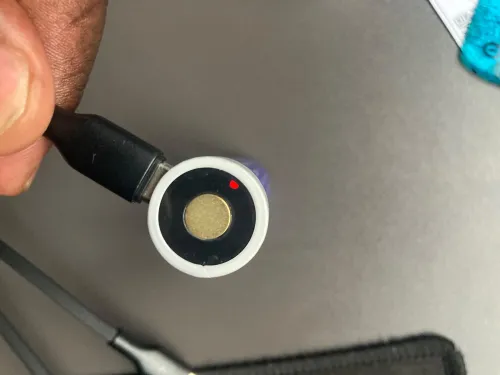
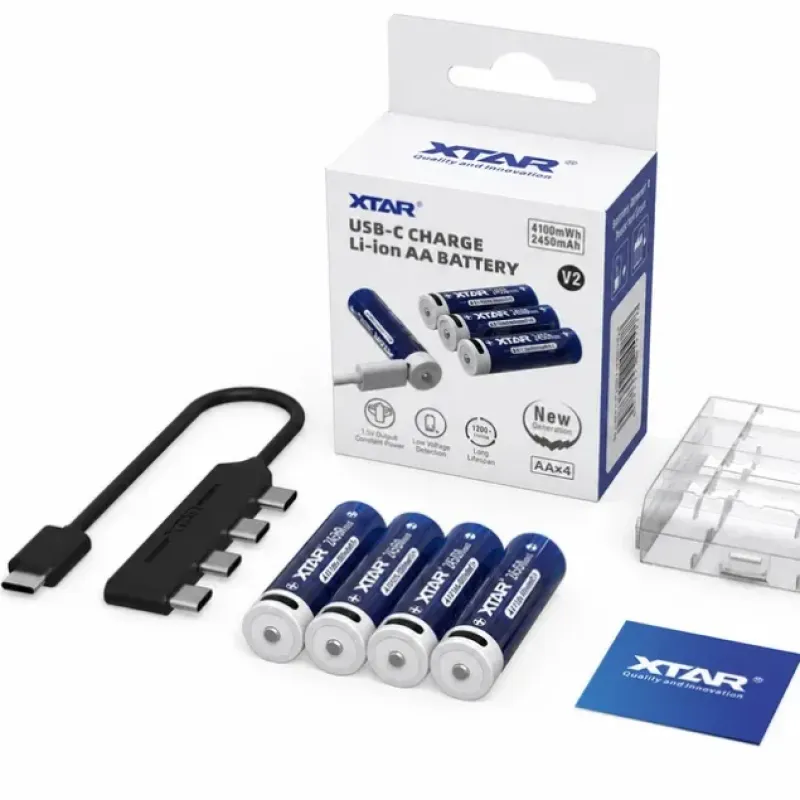
The XTAR AA USB-C pack is four 2450mAh AA cells with a USB-C port built into each one. No external charger is needed at all.
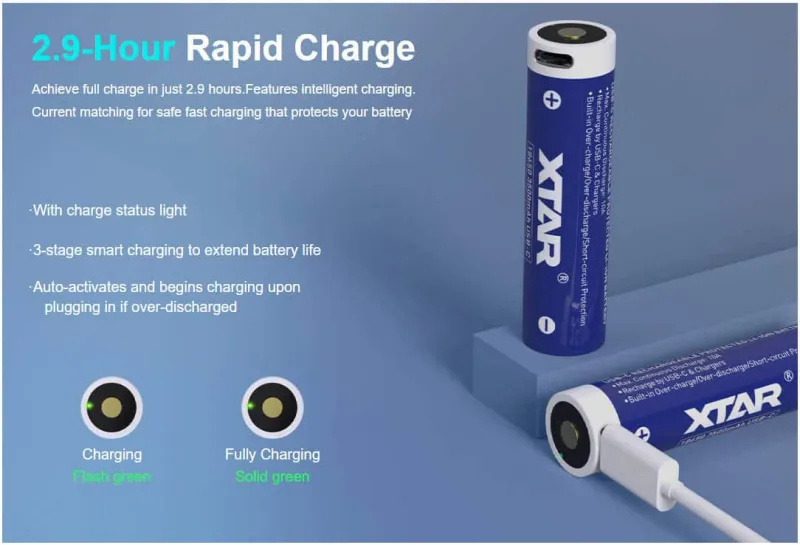
A four-way splitter cable comes in the box, so a single USB-C source charges the whole set at once in about 2.7 hours. Each cell has an LED charge level and low-voltage indicator.
Choose this style if the devices live in different rooms and you would rather plug a battery into a phone charger than carry cells back to a dock. The trade is a slightly lower capacity and a 1200-cycle rating against the 1500 cycles of the 3960.
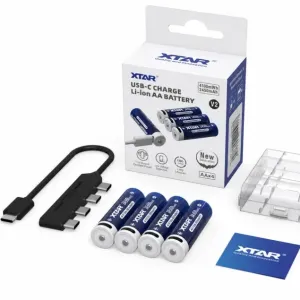
Actual product photos ofXTAR AA USB-C Rechargeable


AAA cells and the charger that handles both sizes
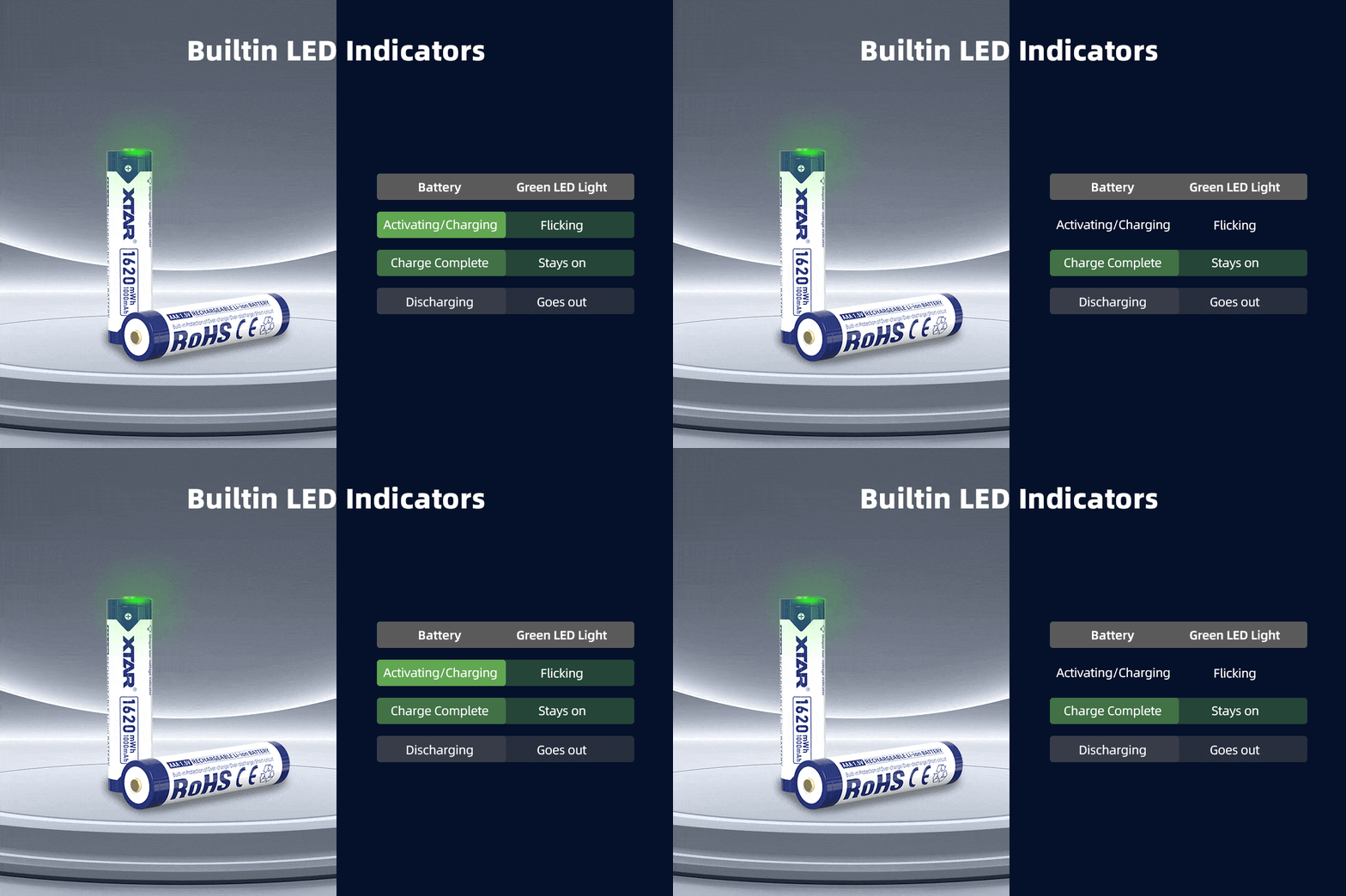
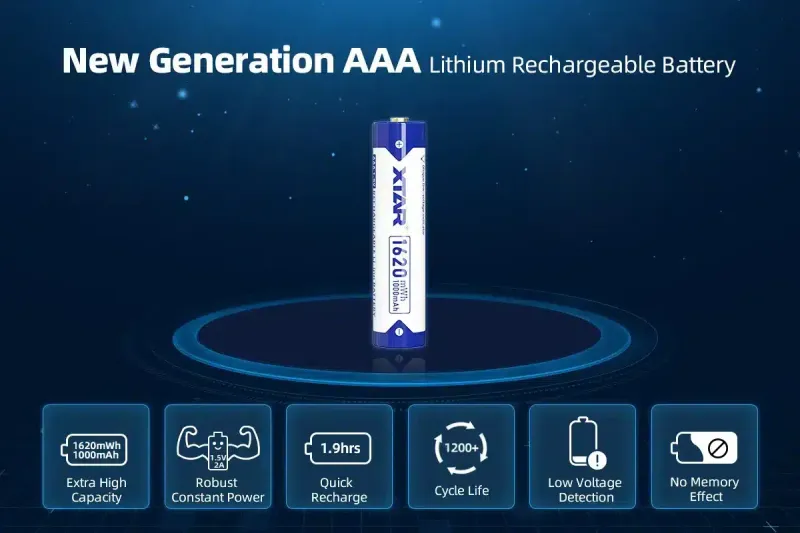
Plenty of household gadgets take AAA, not AA, so the smaller cell deserves its own set. The XTAR AAA pack gives four 1000mAh cells at a steady 1.5V, rated for 1200 cycles, with an LED low-voltage indicator.
Toys and wireless mice are the sensitive ones here, the devices that stutter on a weak cell. The indicator warns you before that happens.


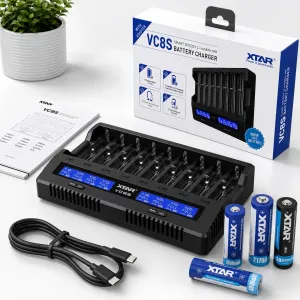
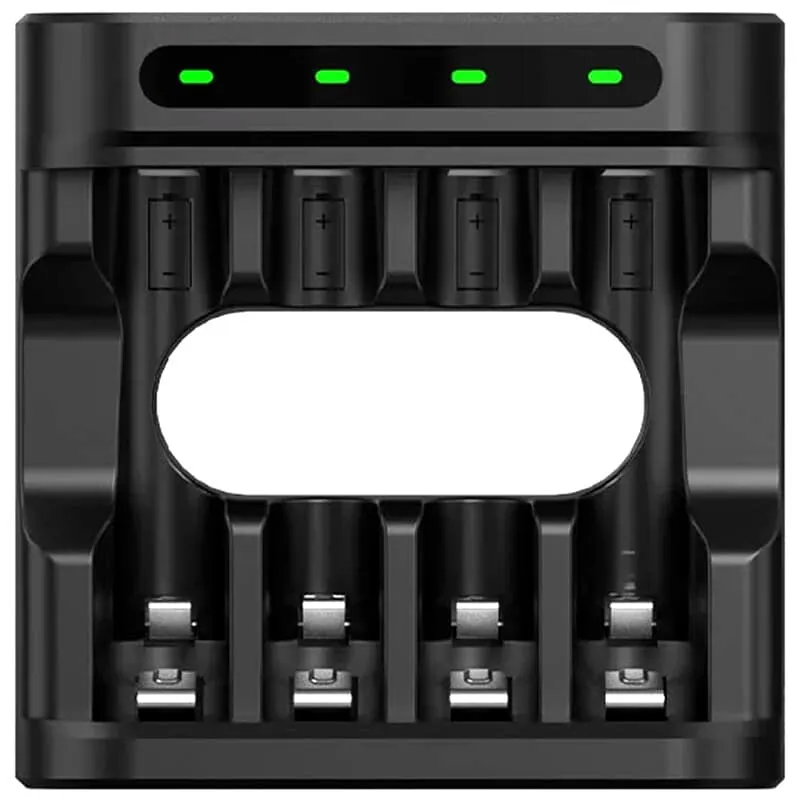
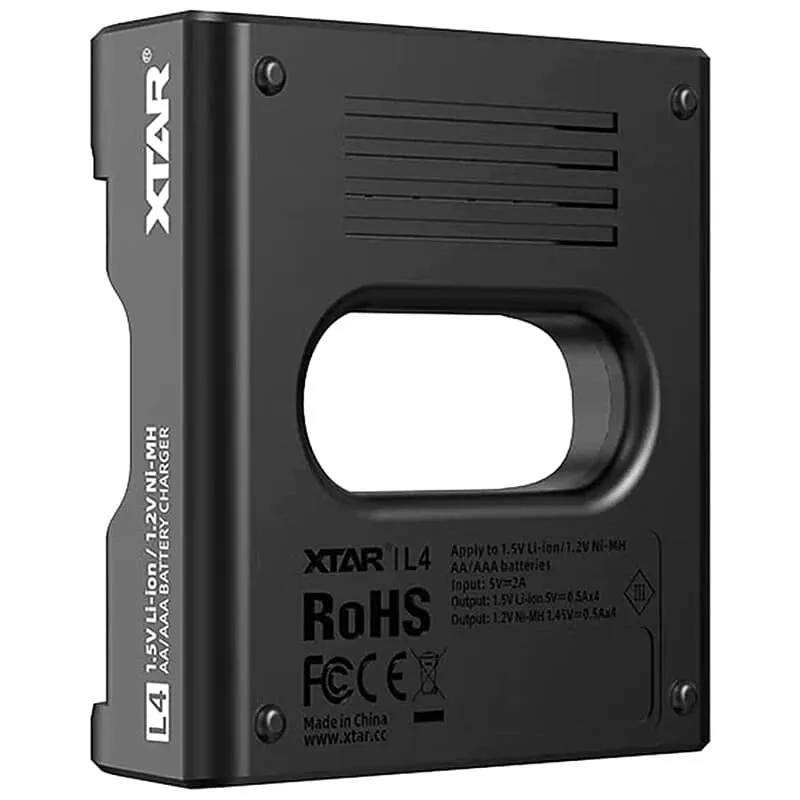
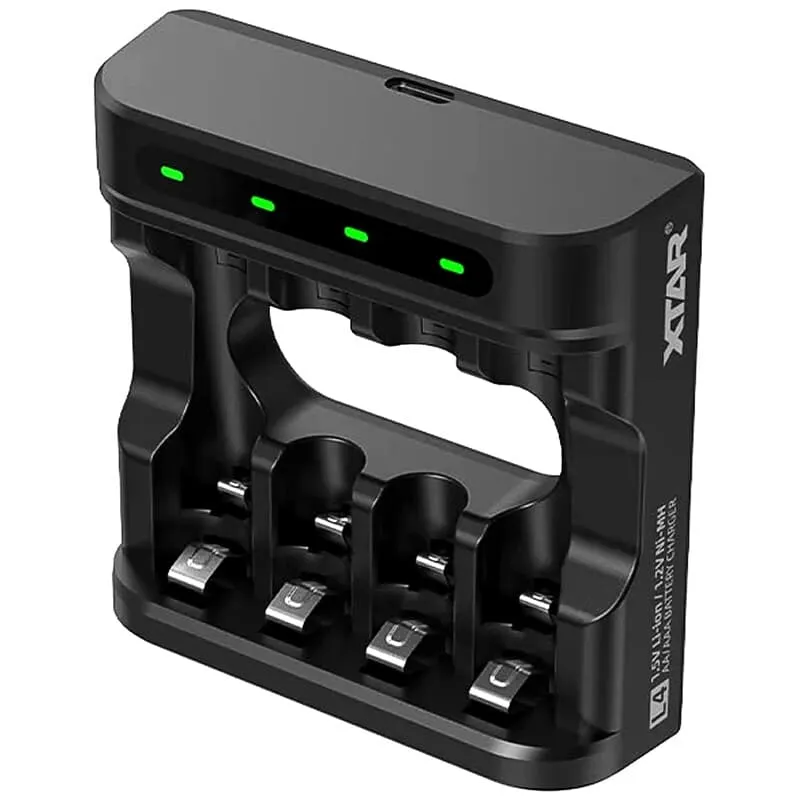
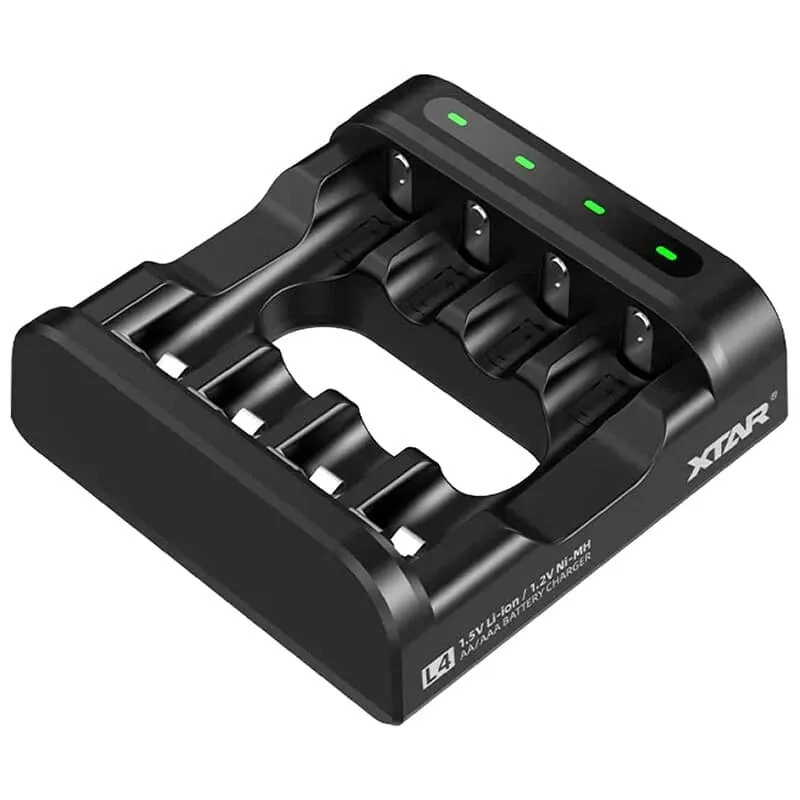
If you go the charger route, the XTAR LC4 has four independent slots and takes AA and AAA in any mix. A full set of four AA cells takes about 1.7 hours, four AAA around 1.5 hours, all over USB-C.
Two details to check before you buy. The LC4 is made for these regulated 1.5V lithium cells, not standard NiMH or alkaline batteries. It also fits flat-top cells rather than button-top ones, and does not support protected cells, so match it to the batteries you plan to charge.
XTAR and other chargers in Kenya
What about eneloop and Panasonic cells?
Panasonic makes eneloop, a well-known brand of NiMH rechargeable. The earlier point about voltage is exactly what to weigh here: a NiMH cell runs at a lower nominal voltage and its output falls as it discharges.
For a TV remote that is fine. For a device that misbehaves on low voltage, a constant 1.5V lithium cell is the quieter choice. Neither type is wrong; they simply suit different gadgets.
Whatever you pick, buy one brand and one chemistry per device. Mixing disposable and rechargeable cells, or old and new ones, is the most common reason a gadget behaves oddly.
An 18650 for torches, and how to choose between the sets
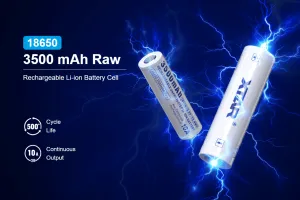
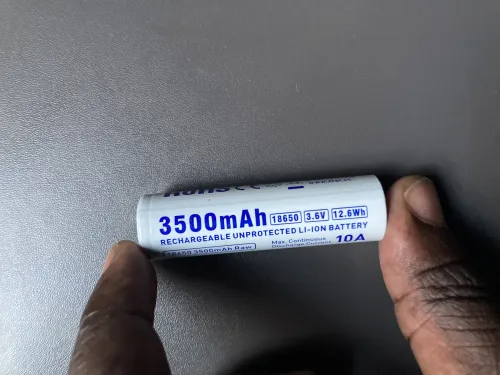
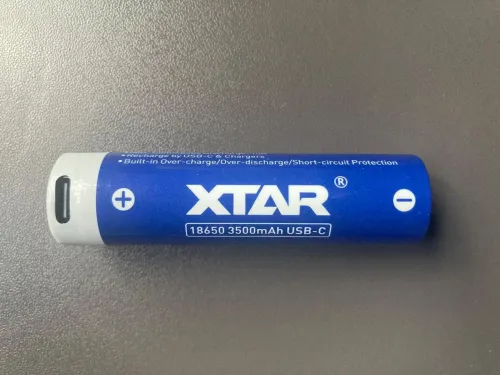
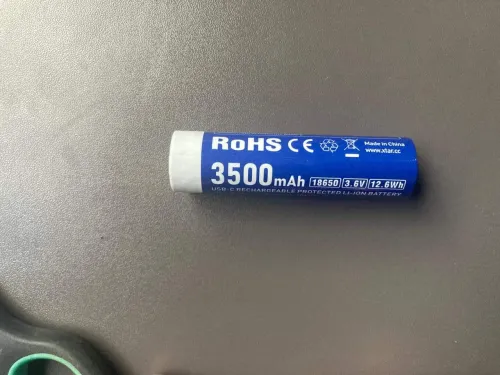
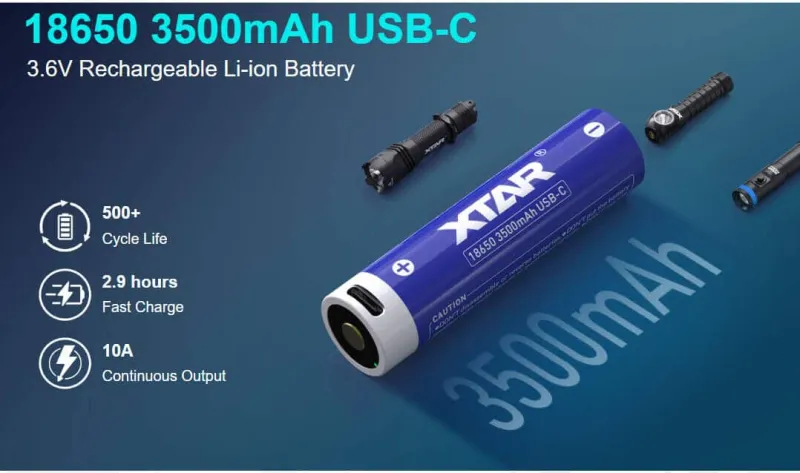
AA and AAA cover the house. Torches are a different job, and the XTAR 18650 at 3500mAh with a built-in USB-C port is the cell for high-drain LED flashlights. Its 10A discharge suits lights that draw heavy current on their brighter modes.
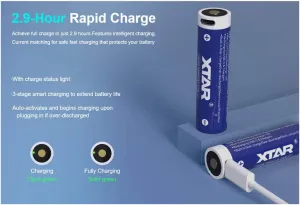
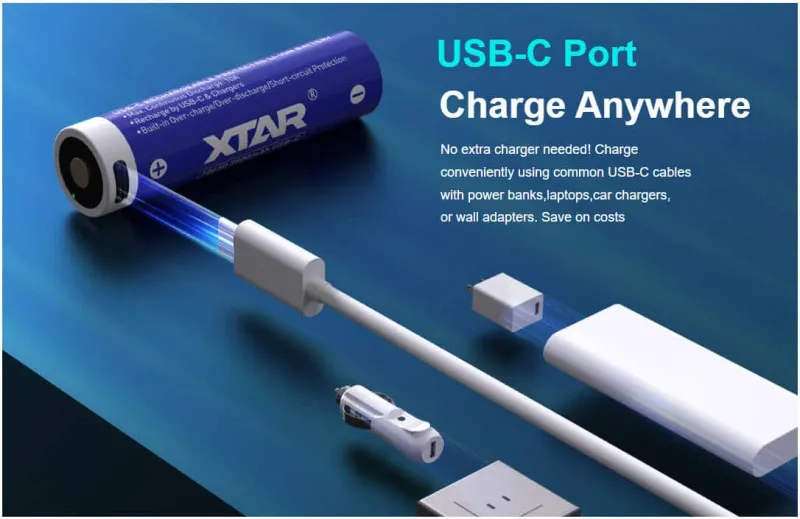
Like the USB-C AA set, it charges straight from a phone charger, power bank or laptop, with a level indicator on the cell itself.
Actual product photos ofXTAR 18650 Battery
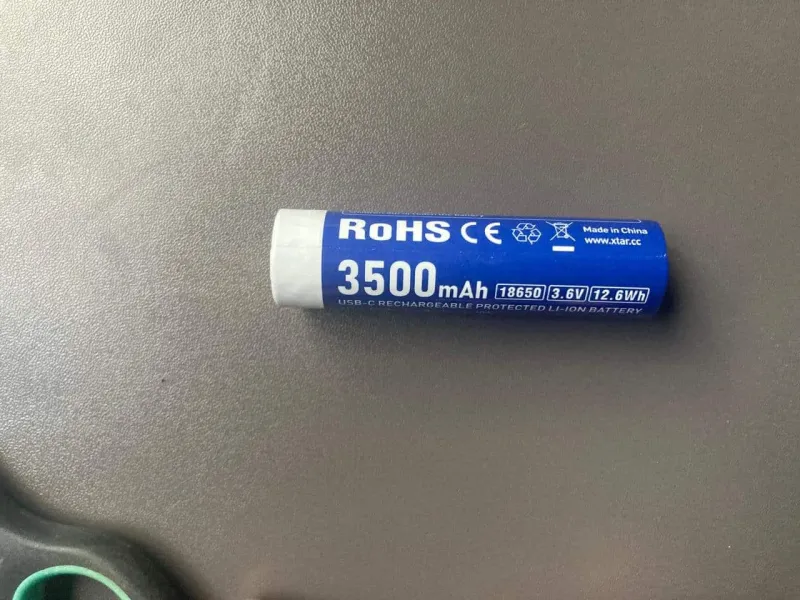
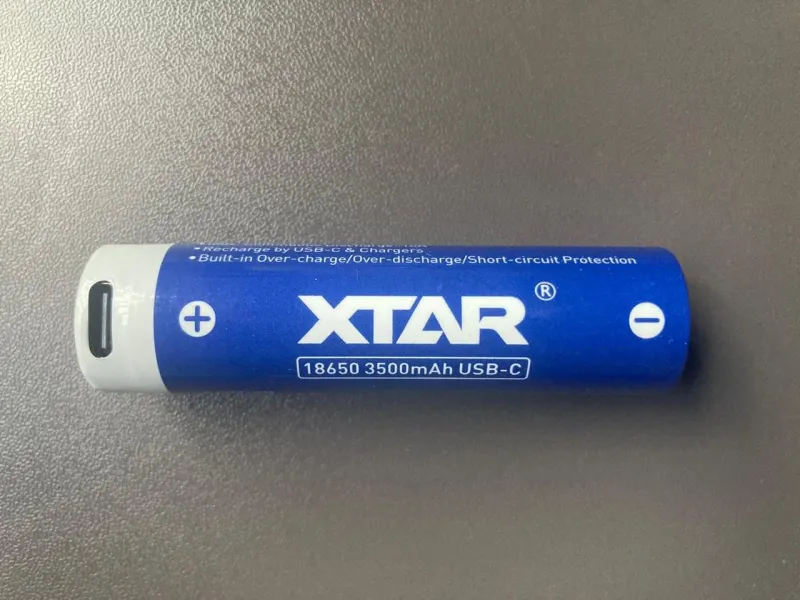
So which set first? Start with the devices you use every week and count how many cells they need. If the answer is "a lot, all over the house", the USB-C cells save you a dock. If you prefer one tidy charging routine at a desk, the 3960 set with the LC4 is simpler to live with.
| Feature | XTAR AA 3960 Rechargeable Battery | XTAR AA USB-C Rechargeable Battery | XTAR AAA Rechargeable Battery | XTAR LC4 4-Slot USB-C Charger for 1.5V Lithium-ion AA/AAA Batteries | XTAR 18650 Battery |
|---|---|---|---|---|---|
| Product | |||||
| Price | KSh 3,000 | KSh 3,500 | KSh 2,700 | KSh 1,300 | KSh 2,500 |
| Battery Size | AA | AA | AAA | – | 18650 |
| Battery Chemistry | Li-ion | Li-ion | Li-ion | – | Li-ion |
| Capacity | 2500mAh | 2450mAh | 1000mAh | – | 3500mAh |
| Voltage | 1.5V | 1.5V | 1.5V | – | 3.6V |
| USB Rechargeable | No | Yes | No | – | Yes |
| Rechargeable | Yes | Yes | Yes | – | Yes |
| Link | View & Buy | View & Buy | View & Buy | View & Buy | View & Buy |



Where to look next
If your devices take a mix of sizes, or you are replacing a drawer of dead cells, the batteries category is the quickest place to see the full range and match a set to what you own.
rechargeable batteries for home devices
Where you would use it
- Church sound desk Keep the wireless microphones on fresh 2500mAh cells instead of cells that sag and cut the voice out mid-service.
- Household remotes Fit the TV and gate remotes with USB-C AA cells you can top up without hunting for a charger.
- Kids' toys Run toys on AAA cells with a low-voltage indicator, so you know when to recharge instead of guessing.
- Torch on patrol Carry one 18650 cell with a built-in USB-C port and charge it from a power bank while on night duty.
- Office desk drawer Keep one LC4 charger at the desk and rotate AA and AAA cells from mice and keyboards through its four slots.
Other options worth a look if none of these sizes fit your gear.
The same voltage question comes up with larger cells too, so if you also run bigger lights or packs, this piece on capacity ratings is a useful next read.
Related guide · 7 min read26650 Battery Capacity: 3000mAh vs 5000mAh vs 5200mAh →You do not have to switch every device at once. Pick the four gadgets that eat the most cells, start there, and let the saving do the convincing. The card below shows the current price for the charger set.
See the AA 3960 packKSh 3,000 · In stock
Frequently asked questions
Yes. They hold a constant 1.5V, which suits remotes, wall clocks and similar devices, and the 2500mAh pack is rated for 1500 cycles.
Yes. The 3960 cells charge on the XTAR C4-AA charger, a full charge taking about 2.5 hours. The separate USB-C AA pack needs no charger.
Yes. Each cell has its own USB-C port, and the included four-way splitter cable charges the whole set from one USB-C source in about 2.7 hours.
No. It charges regulated 1.5V lithium cells and is not for standard NiMH or alkaline batteries. It fits flat-top cells, not button-top or protected ones.
eneloop is Panasonic's NiMH rechargeable, whose output falls as it discharges. These XTAR cells hold a constant 1.5V, which suits devices that misbehave on low voltage.