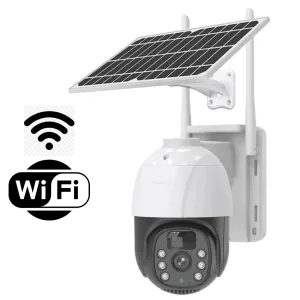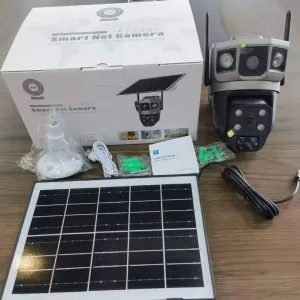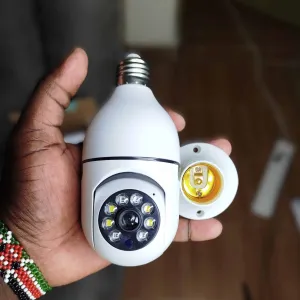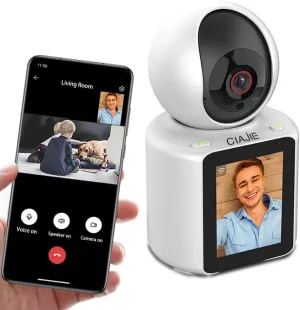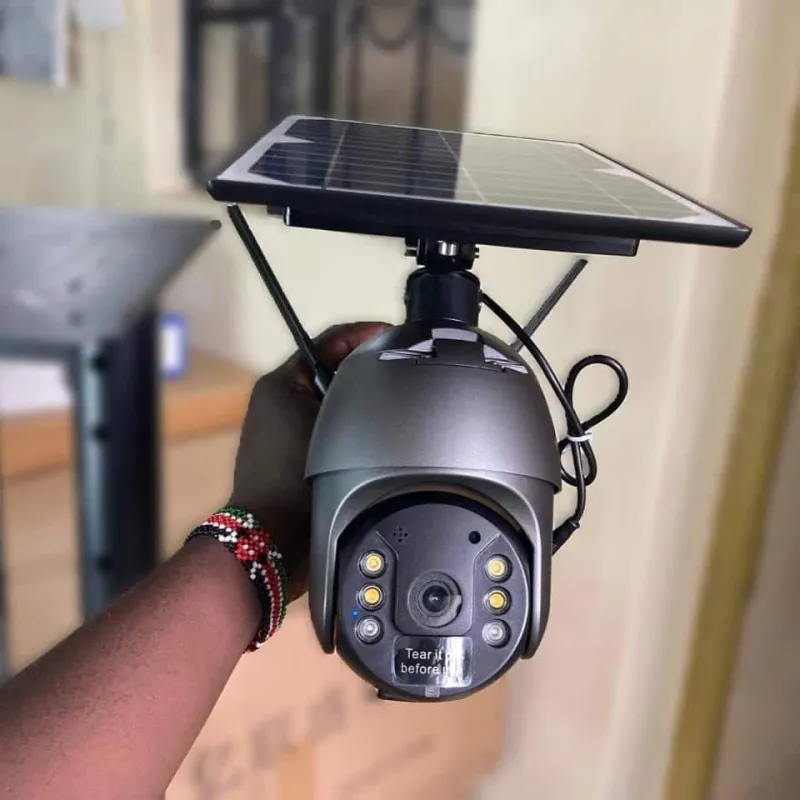
Farm security in Kenya is a different problem from home security. The area to protect is measured in acres, not rooms. There is usually no WiFi and often no mains power near the crops or the store. And the threats, crop theft at night, livestock rustling, break-ins at the farm store, happen when nobody is there. A home-style camera will not survive this environment. A solar 4G camera was built for it.
Why solar + SIM beats every alternative on a farm
Three requirements shape the right farm camera:
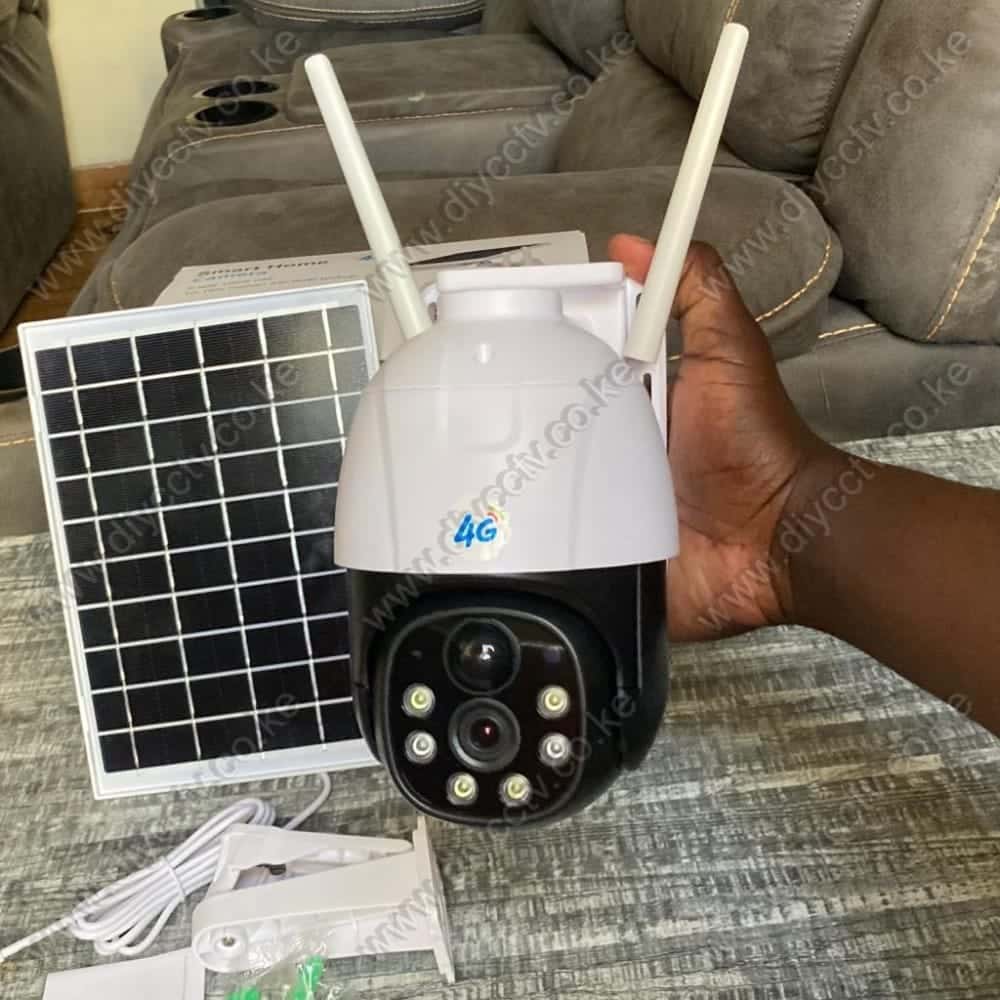
- No grid power needed: the camera charges from the sun and runs on battery. Our 4G solar cameras carry the night on stored charge and keep recording through power cuts.
- No WiFi needed: a SIM card connects the camera to the mobile network, which works on most farmland in Kenya. The camera sends motion alerts and streams live to your phone wherever you are.
- Weatherproof: dust, rain and sun are the enemies. Look for IP65/IP66-rated housings, which our farm-pick cameras carry.
The farm picks in our range
For farms specifically, we recommend three setups depending on what you are protecting.
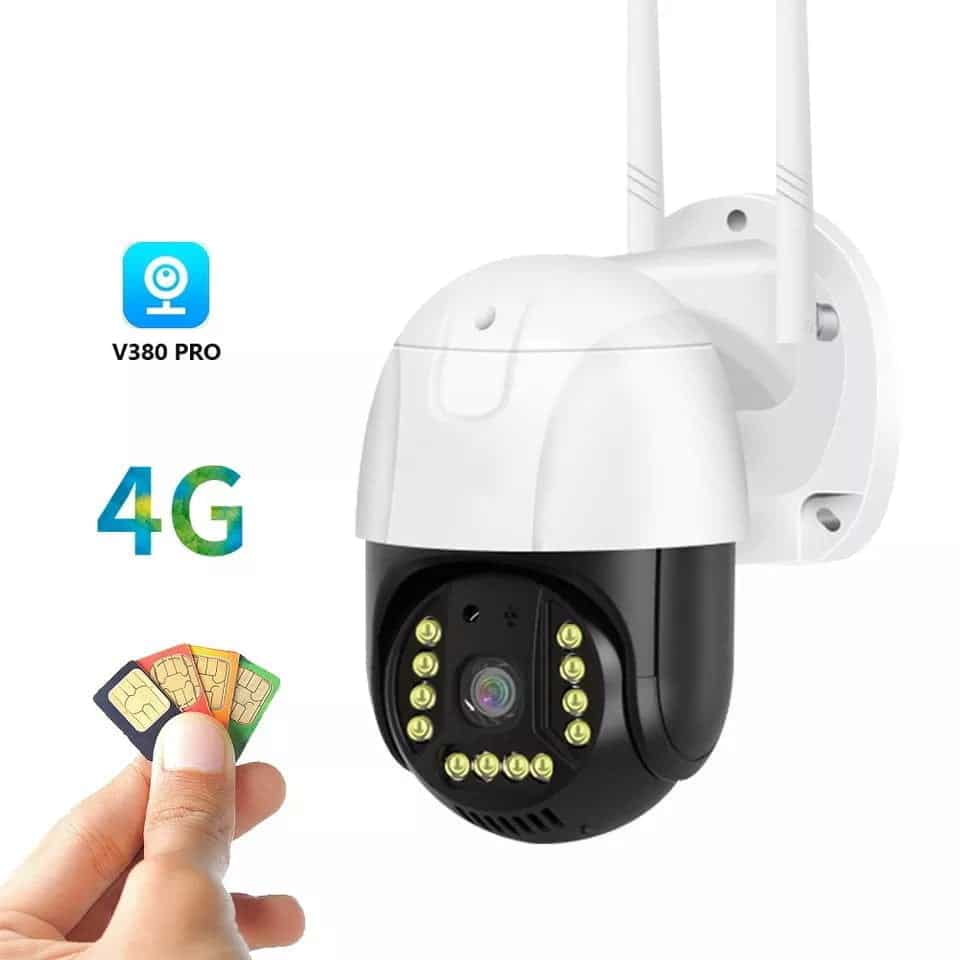
1. The store and the gate. A single V380 Pro 4G solar camera (4MP, PTZ, up to 28-hour battery backup, IP66) watches the farm store, the gate or the parking area. Its 355° pan means it can sweep the yard from one pole, and the V380 Pro app alerts your phone the moment anything moves.
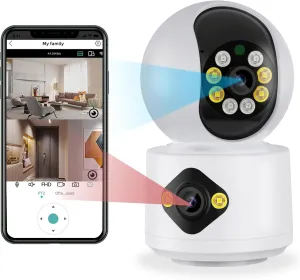
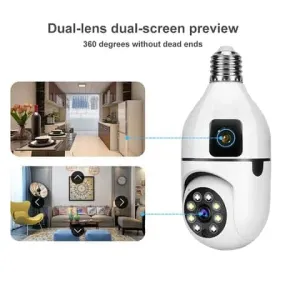
2. Crop fields and fence lines. For wide-open areas, use a dual-lens 4G solar camera. One fixed 4MP lens covers the field continuously while the second lens auto-tracks movement, following an intruder across the crop line instead of losing them at the edge of frame.
3. Livestock areas and night yards. The UBOX 4G solar camera is the one we send for this. Its dual-alarm system combines PIR and radar detection, which cuts false alerts from animals and moving vegetation, the reason farm cameras end up muted and useless. It is IP65 rated, two-way audio lets you speak from your phone, and it runs entirely on solar plus SIM.
Coverage and data: the practical farm plan
No single camera covers acres. The practical approach is to protect choke points: the gate, the store, the machinery shed, the water point, the night paddock. Two or three well-placed cameras beat a dozen badly-placed ones, and every camera added should cover a different choke point.
On data, run farm cameras in motion-recording mode so they only upload when something triggers them. A few gigabytes a month per camera covers a busy area. Pair each camera with a 64GB Class 10 card so clips are saved locally even if the SIM’s data runs out mid-month.
Bringing connectivity to the farmhouse
If the farmhouse itself has no internet but you want WiFi cameras near the house, a solar 4G/WiFi router creates a hotspot from any SIM. The house gets internet, and WiFi cameras around the compound join the same network.
The bottom line
A farm camera will not stop a determined thief by itself. What it does, reliably and cheaply on solar power, is tell you the moment something is happening, record who did it, and often scare them off with a live two-way voice when you speak through the app. That is the difference between discovering a theft the next morning and stopping it at 2 a.m.
Compare the full range of security cameras, or read how the 4G solar models stack up before you choose.
Frequently Asked Questions
Will a solar camera work in a shaded area of the farm?
The solar panel needs direct sun for most of the day to fully charge the battery. Mount the panel where it gets sun (it can be separate from the camera on several models). A camera that only gets morning sun will still record, but its night battery life will be shorter.
What happens during heavy rain or cloudy weeks?
The battery carries the camera through. Models like the V380 Pro 4G solar quote up to 28 hours of backup, so several overcast days are covered. After a long rainy spell, the camera charges back up when the sun returns.
Can I watch the farm from Nairobi?
Yes, that is the point of 4G cameras. Live video and motion alerts arrive in the app on any phone with internet, from anywhere.
Which SIM should I use in a farm camera?
Any network with good coverage at your location. Buy a SIM in the nearest town, put it on a small monthly data bundle, and check the camera’s network bands (2G/3G/4G) match the coverage there.