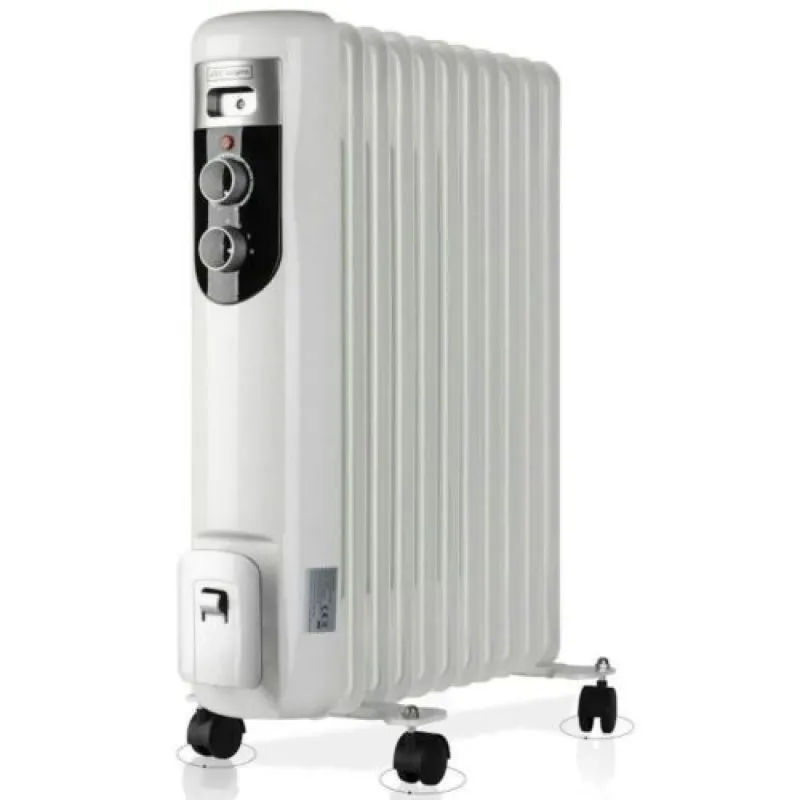
A heater is usually the most power-hungry appliance in a Kenyan home, so it pays to know what it actually costs before you buy. The arithmetic is simple, and this guide walks through it with real examples from the heaters in our range.
The formula: watts, hours and your tariff
Electricity is billed per unit (kilowatt-hour). To find what a heater costs:
Wattage ÷ 1000 = kilowatts. Kilowatts × hours used = units. Units × your KPLC rate per unit = cost.
So a 1000W heater running for 1 hour uses 1 unit. A 2000W heater running for 1 hour uses 2 units. Your rate per unit is printed on your KPLC bill or shown in the token purchase screen, and it sits around KSh 30 per unit for most domestic customers in 2026, depending on the tier. Use your own bill figure for the exact number.
Worked examples: what each heater costs per night
Assuming roughly KSh 30 per unit, here is what 4 hours of evening use costs for the heaters in our range:
| Heater | Wattage | 4 hours of use | Cost at ~KSh 30/unit |
|---|---|---|---|
| Venus 7-fin oil heater | 700W | 2.8 units | about KSh 84 |
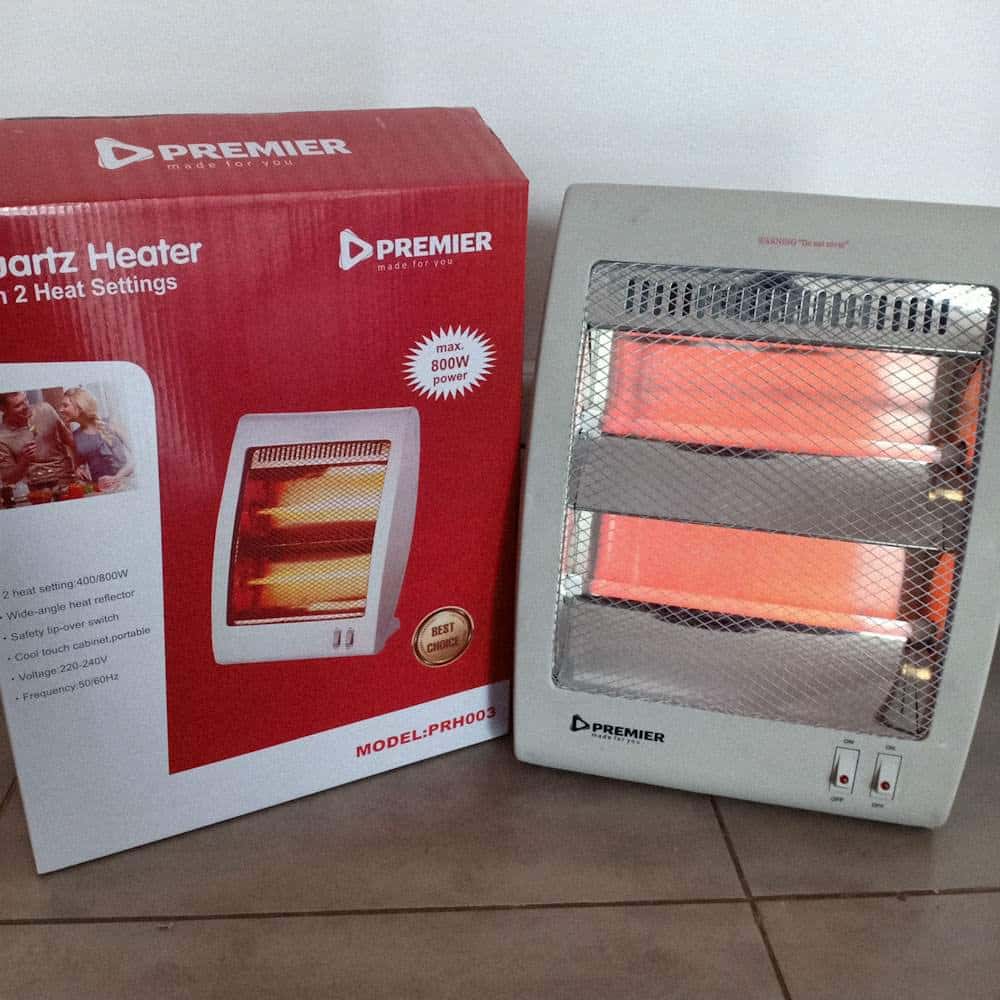
| Premier 400/800W quartz | 800W on high | 3.2 units | about KSh 96 |
| ESTIA 1000W oil heater | 1000W | 4 units | about KSh 120 |
| 2000W 9-fin oil heater | 2000W | 8 units | about KSh 240 |
| 2500W 11-fin oil heater | 2500W | 10 units | about KSh 300 |
Those are rough figures for illustration. The thermostat changes everything in practice, which is the next point.
Why a thermostat changes the real cost
Oil-filled radiators do not run flat out all night. They heat the room to the temperature you set, then cycle off and on to hold it. A 2000W oil heater set on thermostat might draw full power for the first hour and then cycle down to a third of that for the rest of the night. The actual consumption can end up far below the flat calculation above. Quartz and fan heaters without thermostats run at full power for as long as they are on, so their cost matches the formula more closely.
Five ways to cut the bill
- Heat the person, not the house. A 700W heater beside the desk can replace a 2000W heater trying to warm the whole room.
- Seal the room. Draughts under doors and open windows make any heater work harder. A towel at the door gap is the cheapest insulation in Kenya.
- Use the thermostat. Set it a few degrees lower and let the heater cycle. Every degree you do not need is money saved.
- Warm it once, hold it. Oil heaters hold heat, so a short boost followed by thermostat hold beats running a fan heater all evening.
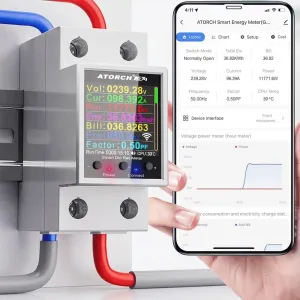
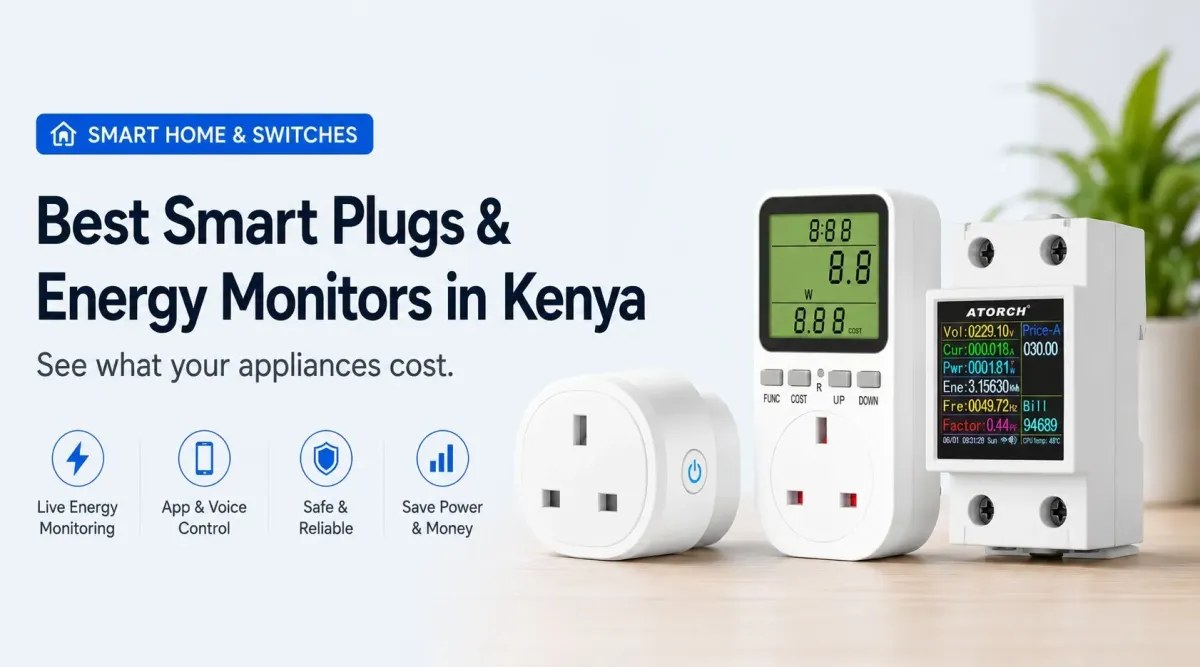
- Watch the actual draw. A meter socket like the Manhua TG44ME shows exactly what the heater uses in real time, which stops the guessing.
The cheapest heater to run
For a small room, the Venus 700W oil heater uses the least power per hour in our range, and its thermostat keeps it cycling rather than running flat. For a larger room, a bigger oil heater with a thermostat often costs less in practice than a smaller quartz heater left on full, because it reaches the target and then holds it.
Compare the heaters themselves in the buying guide, and the oil and quartz guides for specific models.
Frequently Asked Questions
How much does it cost to run a 2000W heater for 8 hours?
At roughly KSh 30 per unit, 2000W for 8 hours is 16 units, about KSh 480. With a thermostat holding the temperature, real consumption is usually lower because the heater cycles off once the room is warm.
Which type of heater is cheapest to run?
For small spaces, the lowest wattage you can get away with is cheapest, like the 700W oil heater. For whole rooms, an oil heater with a thermostat tends to cost less in practice than a quartz or fan heater left on full, because it cycles.
How do I check my KPLC rate per unit?
Your electricity bill lists the rate, and the token purchase screen shows units per shilling. Divide the amount by the units to get your effective rate, and use that in the formula.
Do oil heaters use less electricity than quartz?
Same wattage, same consumption per hour. The difference is behaviour: oil heaters cycle on a thermostat and hold heat, while quartz heaters run at full power the whole time they are on. In practice, oil usually ends up cheaper over a full evening.