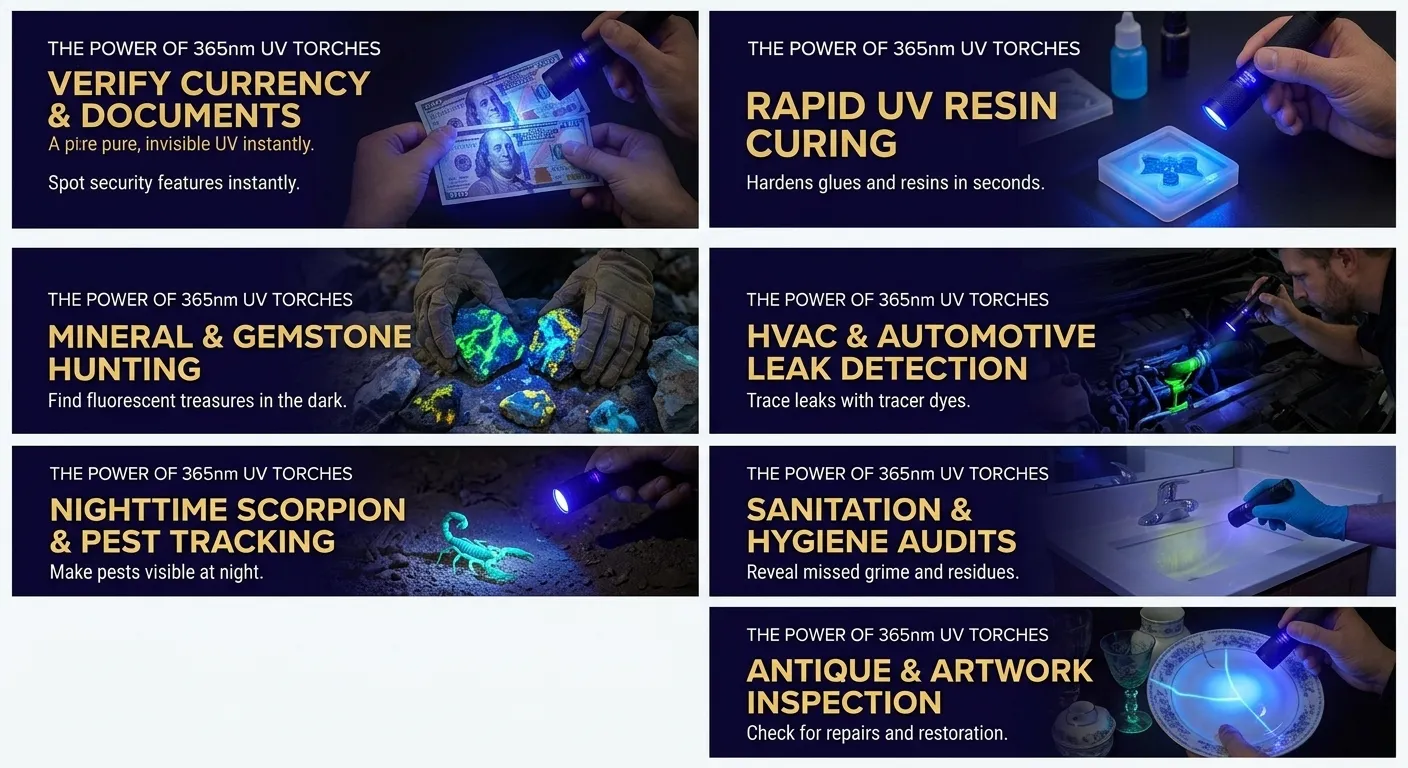
A UV flashlight looks like a toy until you need one. In Kenya it has four practical jobs: checking whether a banknote is genuine, finding refrigerant and coolant leaks, spotting scorpions before they find you, and revealing stains that are invisible in normal light. This guide covers what to buy and how to use it.
Checking banknotes: the most common Kenyan use
Genuine Kenyan notes carry security features that glow under UV light, including the watermark thread and the invisible markings printed with fluorescent ink. A quick pass under a UV light settles most counterfeit questions in seconds. This is why forex bureaux, shops and even matatu crews keep one near the till. For this job, any decent UV flashlight works, but a filtered 365nm light gives the cleanest view of the security features.
365nm vs 395nm: what the number means
The wavelength decides how clean the beam is. A 395nm light is the common budget type. It works for currency and stains, but it produces more visible purple glow, which can wash out the detail. A 365nm light is the filtered type used for serious inspection. It shows security features and fluorescence with far less background glow, and it is the standard for leak detection and forensic work. If the job is professional, go 365nm.
The picks in our range
The Superfire vZ16 is the one we recommend for serious use. It runs a true 365nm wavelength with a filtered beam, runs on a 21700 battery with Type-C charging, and handles banknote checks, AC and coolant leak detection, security markings and scorpion hunting. It is the UV light that earns its place in a toolbox rather than a drawer.

The Convoy S2+ is the specialist option, built around a Nichia 365nm LED and IP65 rated. It is the light people buy for forensics, pet stain detection and serious inspection work, in an aluminium body that survives the field.
For a budget all-rounder, the PEETPEN L13 runs 12 LEDs at 395nm, which covers currency checks, pet urine stains and scorpion spotting at a fraction of the price. Rechargeable via Micro-USB, with the battery sold separately.
How to use a UV light well
- Darken the area. UV fluorescence shows best in shade or low light. Hold the beam close, 10 to 30 cm from the surface.
- For leaks, add dye. Coolant and AC leak checks use fluorescent dye in the system; the UV light makes the dye glow at the leak point.
- For scorpions, sweep low. Scorpions fluoresce blue-green under UV. A slow sweep across floors, shoes and beds at night is the camping ritual that prevents surprises.
- Protect your eyes. Avoid pointing UV at eyes. It is not the same as a normal flashlight beam.
The quick picks
- Banknotes and everyday checks: the PEETPEN L13 (395nm) or the Superfire vZ16 (365nm) for cleaner detail.
- Leak detection and professional work: the Superfire vZ16 or the Convoy S2+.
- Scorpion season: any of the three, swept low at night.
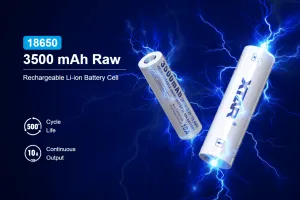
For a general-purpose torch that covers normal lighting too, the flashlight buying guide covers the everyday range, and the battery guide explains the 21700 cells these lights run on.
Frequently Asked Questions
Can a UV light really detect fake notes?
Yes. Genuine Kenyan notes carry UV-reactive security features. Under a UV light they glow in the expected pattern, while fakes either do not react or show the wrong pattern. It is one of the fastest counterfeit checks available.
What is the difference between 365nm and 395nm UV?
365nm produces a cleaner, more filtered beam with less visible purple glow, which makes security features and fluorescent detail easier to read. 395nm is cheaper and fine for currency and stains, but the extra visible glow can wash out fine detail.
Do scorpions really glow under UV?
Yes. Scorpions fluoresce blue-green under ultraviolet light, which makes them easy to spot on floors and in shoes at night. It is a well-known trick among campers and outdoor workers in Kenya.
Is UV light safe for eyes?
UV light can damage eyes, so do not shine a UV flashlight directly into anyone's eyes, including pets. Use it on surfaces, and keep it away from children.