Tronic Timer Switch Price in Kenya: Mechanical vs Digital Timer Alternatives
If you are looking for a Tronic timer switch in Kenya, the first thing to check is not just the price. The type of timer matters because mechanical and digital timers work quite differently.
A mechanical timer is simple: you set the switching periods around a 24-hour dial. A digital timer gives you a much wider range of programming options, including multiple ON and OFF periods and schedules that can vary by day.
This guide looks at the Tronic mechanical timer and digital timer alternatives available in Kenya, so you can decide which type makes more sense for your appliance, lights, pump or other electrical equipment.
How much does a Tronic timer switch cost in Kenya?
The price depends on the Tronic timer model. Tronic's current listings show 16A mechanical timer models around KSh 2,630 to KSh 2,690, while digital timer models are available at different prices depending on the capacity and model.
That means it is not always correct to assume that a mechanical timer is automatically much cheaper than a digital timer. The actual model, current retailer price and specifications can make a significant difference.
What does a Tronic mechanical timer give you?
A mechanical timer is designed to keep things simple. You set the ON and OFF periods using the mechanical dial, and the timer switches the connected appliance according to those settings.
This makes a mechanical timer useful when you only need a straightforward repeating schedule and do not need a large number of different programs.
The main limitation is flexibility. A mechanical timer does not offer the same level of programming control as a digital timer with an LCD display and multiple programmable periods.
What happens when the power goes off?
This is one of the important differences to consider when choosing between mechanical and digital timers.
A mechanical timer uses a physical clock mechanism. If a power interruption stops the mechanism, the timer can lose its position and the actual switching time can move away from the schedule you originally set.
How serious this is depends on the timer and how long the power interruption lasts. If your area experiences frequent outages and accurate switching times are important, a digital timer with suitable power-loss memory or battery backup can be a better option.
What does a digital timer give you?
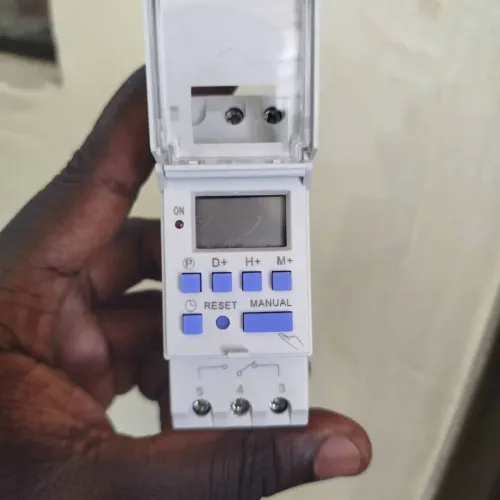
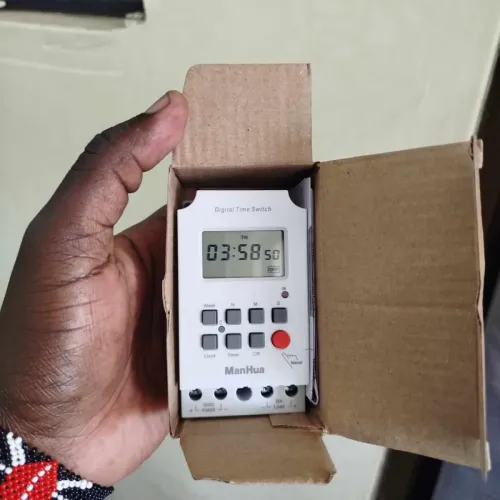
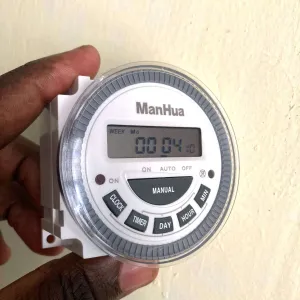
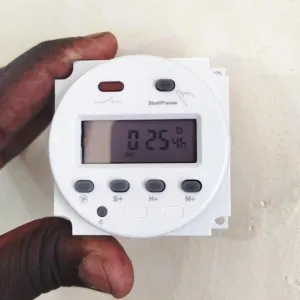
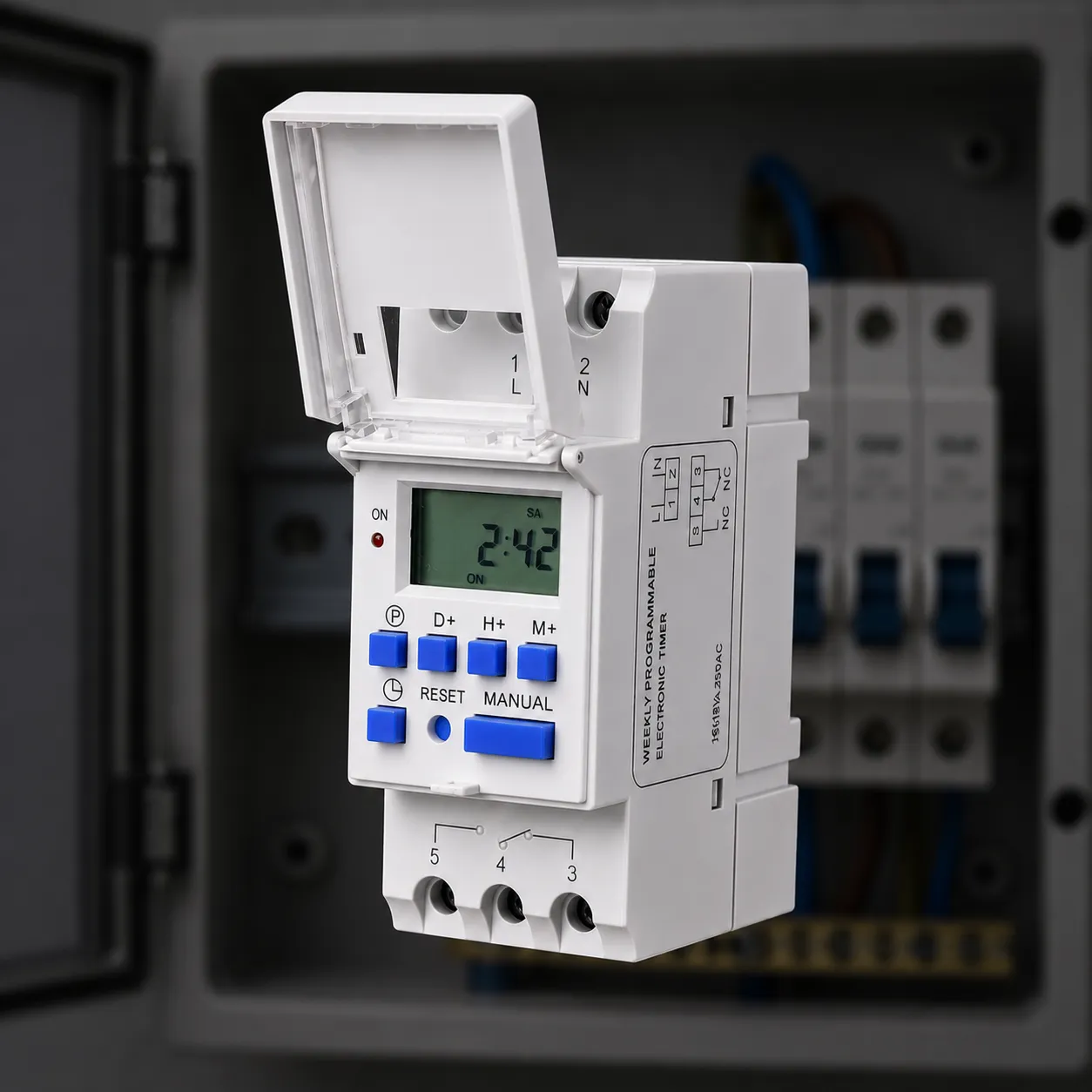
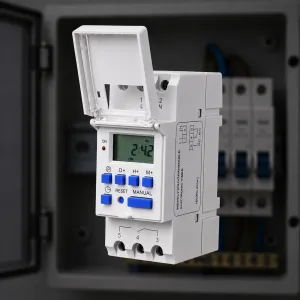
A digital timer is designed for more complicated schedules. Instead of relying on a rotating mechanical dial, you program the switching times using buttons and an LCD display.
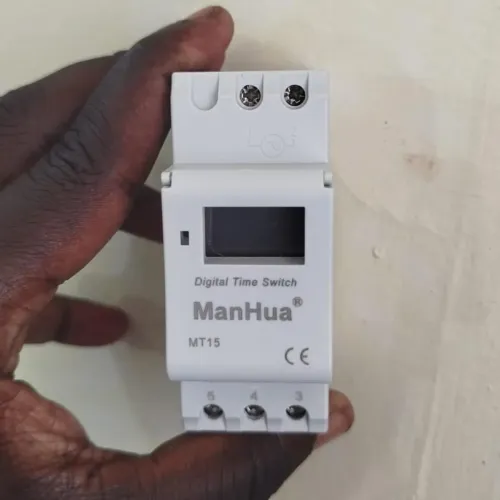
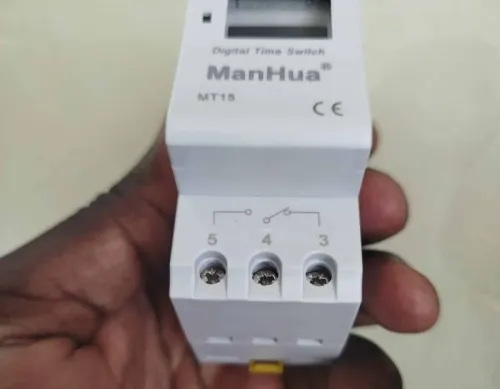
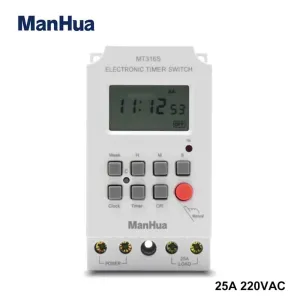
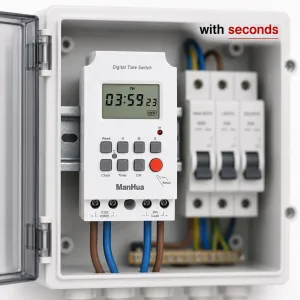
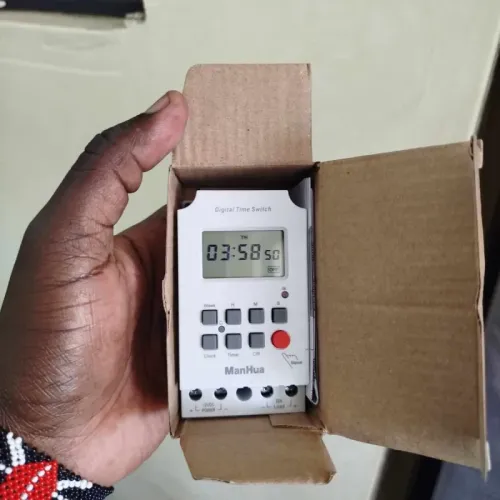
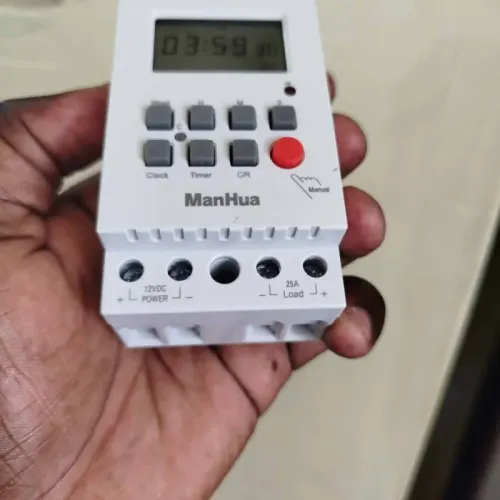
For example, the ManHua MT15 digital timer available from Lumen Vault supports hourly, daily and weekly programming with up to 16 ON/OFF groups per day. It is rated at 16A and provides more control than a basic mechanical timer.
Tronic mechanical timer vs digital timer: which is better?
There is no single answer because the better timer depends on what you need it to do.
| Feature | Mechanical Timer | Digital Timer |
|---|---|---|
| Programming | Simple mechanical schedule | Multiple programmable schedules |
| Display | Mechanical dial | LCD display |
| Ease of basic setup | Very simple | Requires programming |
| Multiple ON/OFF periods | Limited by the mechanical design | Much more flexible |
| Weekly scheduling | Usually limited | Available on suitable digital models |
| Power interruptions | May affect the timer's position | Depends on the model and its backup/memory system |
When should you buy the mechanical option?
Choose a mechanical timer if you only need a simple repeating schedule and want something straightforward to operate.
It can be a practical choice for applications where you do not need different schedules for different days or several ON/OFF periods throughout the day.
When is a digital timer worth paying for?
A digital timer becomes more useful when you need greater control over your schedule.
For example, you may want a pump to run several times a day, lights to follow a different schedule on different days, or an appliance to switch on and off at several specific times.
In those situations, paying for a programmable digital timer can make more sense than buying a basic mechanical timer and trying to work around its limitations.
ManHua MT15 digital timer price in Kenya
The ManHua MT15 currently sells for KSh 1,950 at Lumen Vault. It is a 16A programmable digital timer with hourly, daily and weekly scheduling and up to 16 ON/OFF groups per day.
It is important to note that the MT15 is a digital relay/timer designed for electrical installation rather than simply being described as a direct plug-in replacement for every mechanical timer. Check the installation requirements and electrical load before purchasing.
What about measuring the electricity being used?
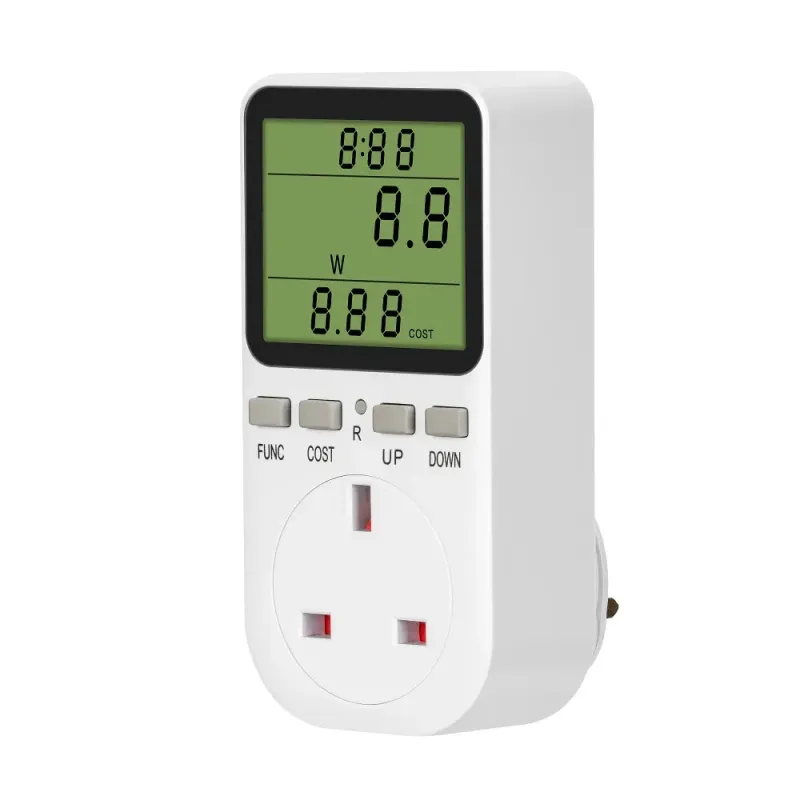
A timer controls when an appliance operates, but it does not tell you how much electricity that appliance is consuming. If you want to see the energy usage and cost of an appliance, an energy meter can be useful alongside a timer.
Where to buy timer switches online in Kenya
If you are comparing timer switches in Kenya, look beyond the headline price and compare the current price, electrical rating, programming options, installation method and power-loss behaviour.
Lumen Vault stocks programmable timer switches and related electrical automation products, with product listings showing the current price and specifications.
Browse the full range of timer switches to compare the available options.
If you are specifically deciding between a basic mechanical timer and a programmable digital model, our Tronic timer switch vs ManHua MT15 comparison goes into the differences in more detail.
If you already have a Tronic mechanical timer, our guide on how to set a Tronic timer switch explains the basic setup process.