A good garden watering setup does one job: it puts the right amount of water on the right area, on time, without you standing over a hose. In Nairobi, where water can be rationed and boreholes run dry, that control matters more than people think. This guide covers the three parts of any system, the sprinkler, the hose or pipe, and the timer or controller, with the options we actually sell.
Start with the sprinkler: what coverage do you need?
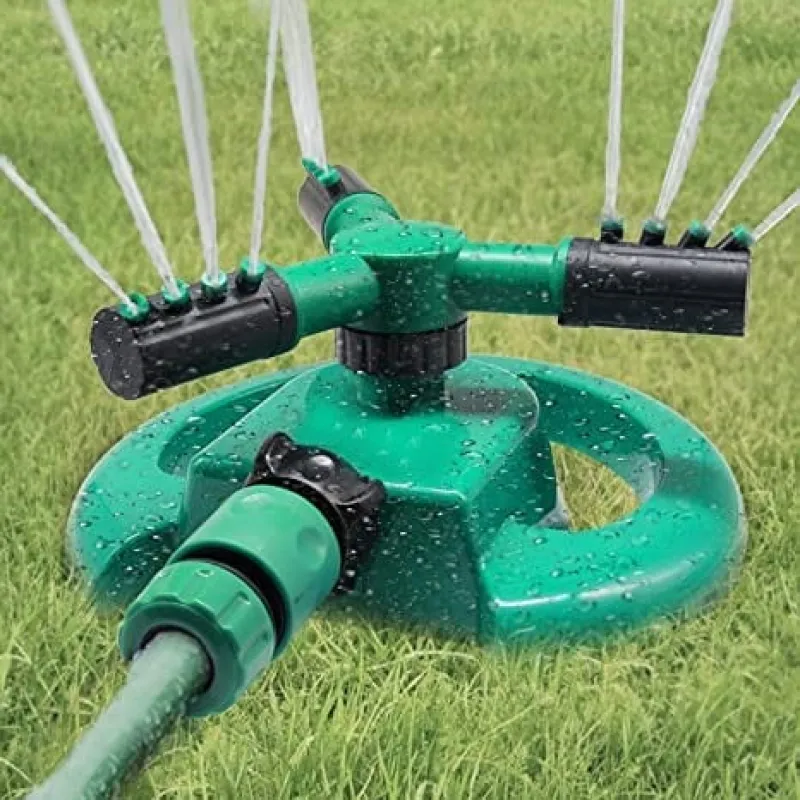
Sprinklers are rated by the radius or diameter they cover. A rotating sprinkler like our ½ inch rotating garden sprinkler covers roughly a 10 metre radius, about 314 square metres per unit, on tap pressure alone. That is enough for a decent lawn or a small plot. For a whole acre of crops you step up to a 2 inch rain gun, which throws water up to 50 metres and covers about half an acre per unit.
Most compounds do not need a rain gun. They need two or three well-placed rotating sprinklers, each covering a different section, moved when the grass is done. The automatic 360 degree rotating sprinkler has been the best seller in this range for years, and its adjustable spray angle (45 degrees for wide, 90 degrees for compact) is what makes it work for both lawns and small beds.
Match the hose to the distance and the flow
The pipe that feeds the sprinkler matters as much as the sprinkler itself. Three things to get right:
- Bore size. A ½ inch line suits short runs and single sprinklers. A ¾ inch line carries noticeably more flow and is the general purpose size for most gardens. A 1 inch line is for long runs and farm plots where pressure drops quickly.
- Length. Every metre of hose costs pressure. For a tap at the house and a garden 30 metres away, a 30 metre run is the practical maximum before flow suffers; beyond that, go up a bore size rather than stretching a thin hose.
- Construction. Opaque hoses resist algae growth inside the line, and braided or reinforced walls resist kinking. The Coninx range we carry is rated to 4.5 bar, which covers normal Nairobi tap and borehole pressure with margin.
Browse the irrigation pipes and hoses for the full range of lengths and bores.
Water pressure: the hidden variable
Rotating sprinklers need reasonable pressure to spin properly. If your compound runs on a small tank or a weak borehole pump, the spray may be limp and uneven. The fix is usually not a bigger sprinkler but a shorter, wider hose, or watering in smaller zones so the pump is not feeding everything at once. If pressure is truly poor, a sprinkler with a low pressure design or a simple tap-fed head like the brass impact sprinkler (which is also far more corrosion resistant than plastic) behaves better.
Connect it all properly
Small fittings decide whether a system drips or just works. A quick-connect hose connector gives a leak-free join between hose and sprayer, and an adapter nipple fixes a mismatched thread in seconds. A zinc spike base holds a sprinkler head upright instead of letting it flop over and water one corner.
Automate it, and save water while you are at it
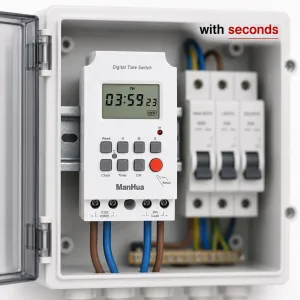
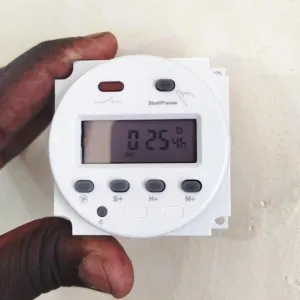
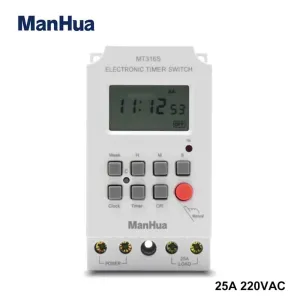
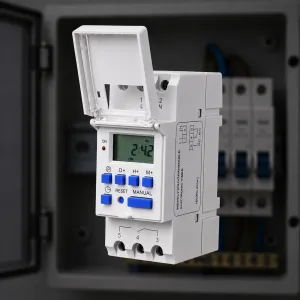
The biggest water savings come from timing. Watering at 5 a.m. instead of midday loses far less to evaporation, and a sprinkler that switches itself off cannot be forgotten. That is what the automatic watering guide covers: timer switches, WiFi valves and the simple schedules that keep a garden green on a rationed water supply. For the timer side, the timer switch range is where to start.
And if you are building a full farm system rather than a home garden, our sprinkler buying guide goes deeper into rain guns and impact heads for crop coverage.
Frequently Asked Questions
How much area does one garden sprinkler cover?
It depends on the model and your water pressure. A standard rotating sprinkler with a 10 metre radius covers about 314 square metres. Rain gun sprinklers for farms cover much more, up to about half an acre per unit.
Do sprinklers work on low water pressure?
Rotating sprinklers need enough pressure to spin. If your pressure is weak, use a shorter and wider hose, water in smaller zones, or choose a design that works at lower pressure.
What size irrigation hose should I use?
Use ½ inch for short runs and single sprinklers, ¾ inch for most home gardens, and 1 inch for long runs or farm plots. Longer runs need a wider bore to keep the pressure up.
How do I water my garden during rationing?
Water early in the morning, automate the schedule with a timer so no water is wasted, and group plants by water need so you are not soaking everything evenly. A timer switch or WiFi valve is the single biggest fix.